

News, Occupational Health | Caroline Kalu | 8 January 2026
Why physical activity is key to workplace health
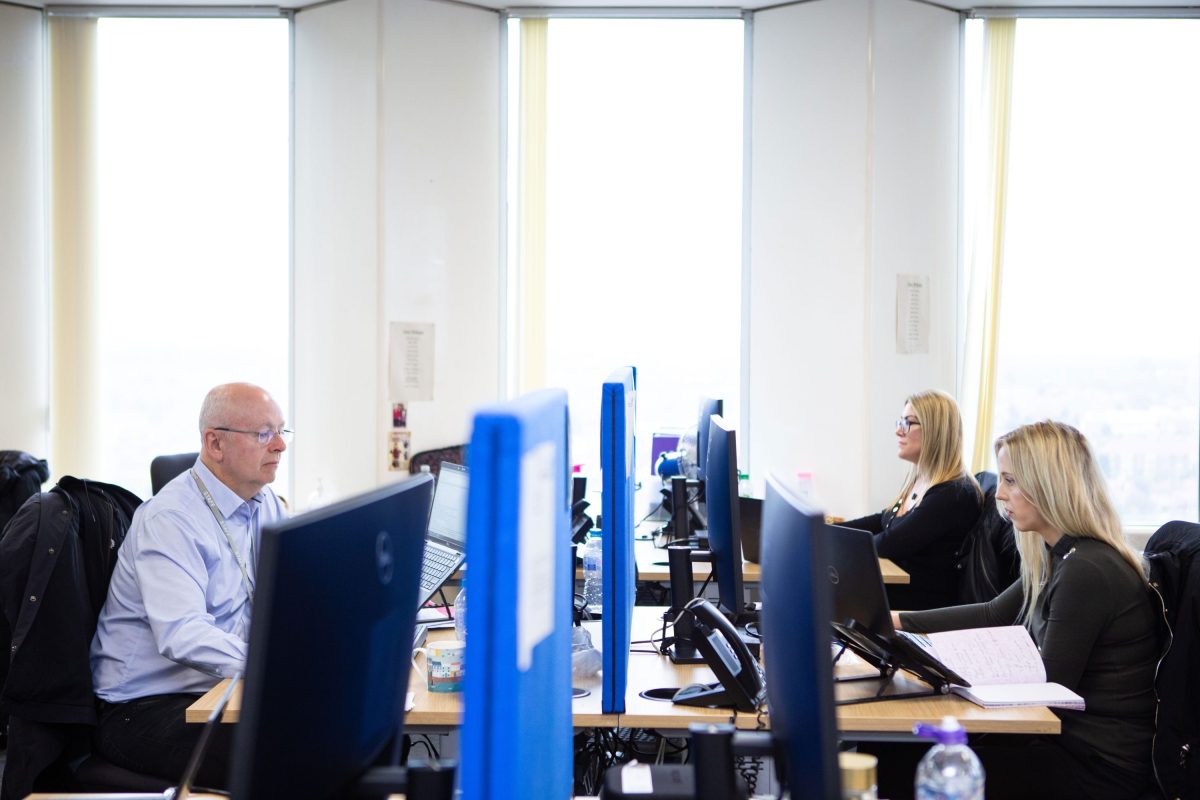
Lifestyle related diseases and sickness absence is estimated to cost the UK £8.2 billion a year. Office workers are most at risk of sedentary behaviour – spending over six hours a day sitting. So how do we get people to move more at work? What are the social and health benefits of increasing physical activity? And how does this improve workplace health and culture?
These questions and more were answered by senior physiotherapist in our occupational health team, Laran Chetty, in his award-winning presentation which saw him achieve the 2025 Chartered Society of Physiotherapy Charitable Trust Conference and Presentation award in December.
His presentation entitled ‘Physical activity and MSK in the workplace’ outlined the importance of physical activity at work and how to prevent musculoskeletal disorders.
“Employers should be progressing towards getting office workers to spend at least two hours a day standing and undertaking light activity as we know prolonged sitting is associated with exhaustion,” says Laran. “There are numerous benefits to increasing physical activity including improved social skills, better physical and mental health, a boost to productivity and opportunities for team building.”
Benefits of physical activity
Physical activity boosts our self-esteem, increases confidence and when undertaken with colleagues it increases social interaction and creates a sense of belonging and shared experiences. It also has a direct impact on our health, reducing the risk of heart disease, lowering blood pressure and cholesterol, enabling weight management, reducing anxiety and stress, and improving sleep quality.
“Physical activity increases blood flow to the brain, which promotes the growth of new neurons and enhances neural plasticity,” explains Laran. “This is good for our health as it improves brain function, enhancing our mood and boosting energy levels so we can perform at our best throughout the workday and be more productive.”
“Longitudinal research studies – where the same individuals are observed and data is collected over an extended period – confirm that promoting physical activity during and employees’ leisure time promotes work engagement and those who undertake moderate activity over light physical exercise are even more engaged at work and have higher recovery from their working day.”
Building physical activity into the working day
Lack of time and limited access to facilities can be a barrier to increasing physical activity during the working day, but Laran suggests the following as a starting point:
Walking groups or meetings
Get together with colleagues to take a planned walk at lunchtime or consider having your meetings while on the move. “Walking meetings work well for small groups where you can communicate easily. You can use voice memos to take notes and set objectives so you stay focused,” says Laran.
Movement breaks
Stepping away from your desk can spur new ideas and refresh your mind. “Set an alarm to prompt you to move on a regular basis for a short period of time,” says Laran. “Sit to stand desks make your workstation more active too and opt for the stairs instead of the lift when moving around your office building too.”
Do simple, quick exercises
- Squeeze your buttocks for five to 10 seconds.
- Do leg or calf raises under your desk.
- Do bicep curls with a bottle of water.
- Do squats while waiting at the printer.
Team building
Build physical activity into your away days or team building sessions, such as taking part in charity fun runs, holding scavenger hunts or fitness challenges.
“Engaging with physical activities in the workplace does come down to personal motivation,” explains Laran “My advice is to start small and build to moderate then higher levels of activity. Taking part in competitive activities can be a motivator, but you should focus on what works best for you.
“Organisations can support employees by creating a culture of physical movement in the workplace. In turn this will result in a more engaged and resilient workforce, ultimately leading to long-term productivity, morale and success.”